
Human Rights Law in India: A Complete Guide
Home / LAW / Human Rights Law in India: A Complete Guide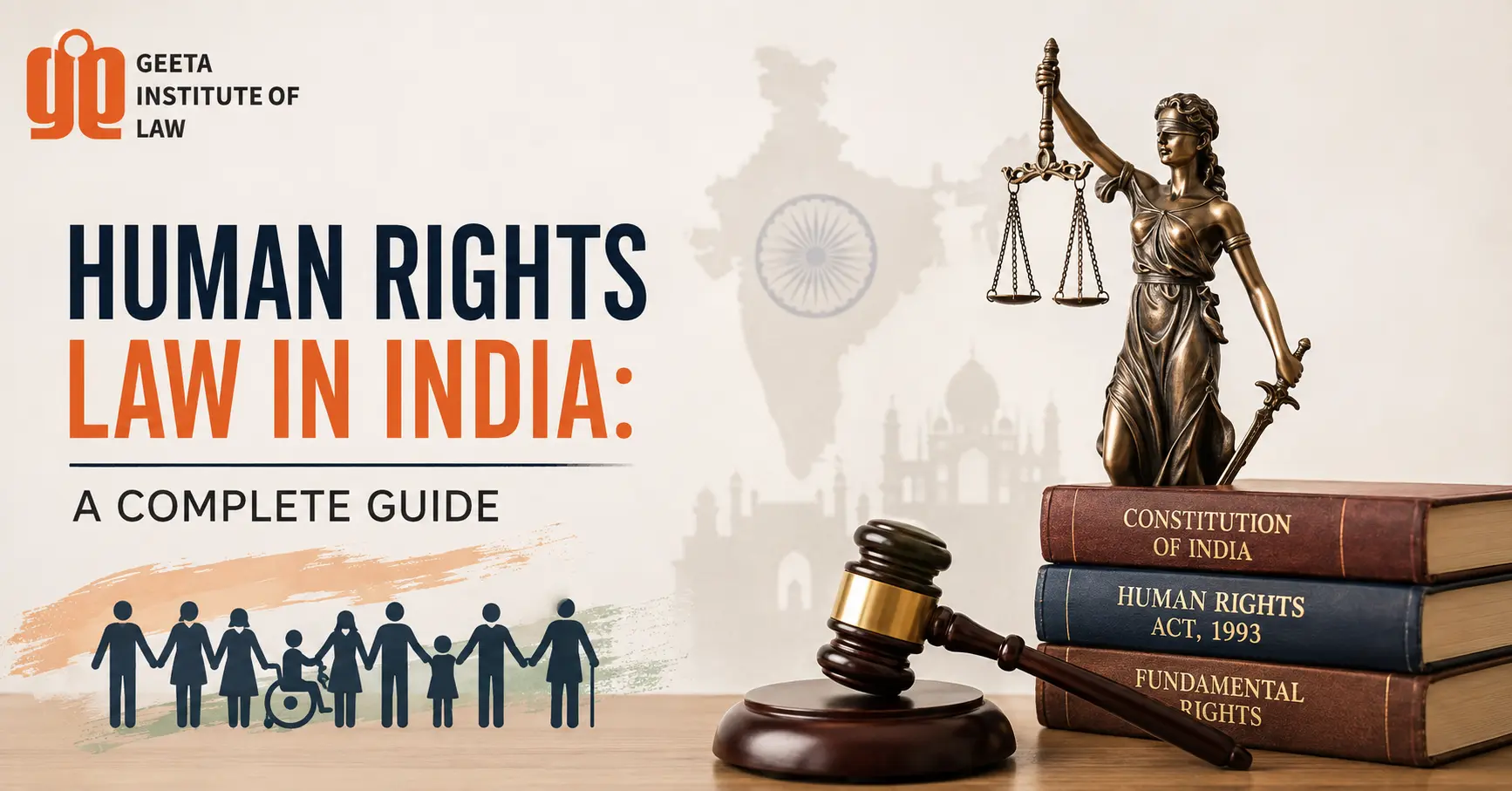
Human rights law in India includes constitutional protection, legislation, and judgments concerning a person’s right to life, liberty, equality, and dignity. This primarily emanates from Part III of the Constitution, the Protection of Human Rights Act, 1993, and judgments of the constitutional courts, which give citizens an avenue for seeking redress against the abuse of power by either the state or private entities.
What are the Human Rights in India?
Human Rights in India include basic rights which ensure that every individual enjoys their right to life, liberty, equality, dignity, and freedom. These rights are enshrined in the Constitution and recognized by other laws like the Protection of Human Rights Act, 1993, and international conventions like the Universal Declaration of Human Rights, 1948.
Fundamental Rights vs Human Rights
Fundamental Rights are specific rights which can be enforced through Article 32 and 226. Article 32 is the Supreme Court route, and Article 226 is the High Court route. However, Human Rights include rights that are broader and include both moral and international rights. Human rights law in India encompasses both, but in effect, enforcement of human rights in India can only be done through constitutional remedies in court.
Read More: Law Specializations in India
Major Articles and Laws That Safeguard Rights in India
- Article 14 – equality before law
- Article 19 – freedom of speech and movement
- Article 21 – right to life and liberty
- Article 32 – right to constitutional remedies
Laws protecting human rights in India:
- Protection of Human Rights Act, 1993, NHRC, State Commissions, and Human Rights Courts
- SC/ST (Prevention of Atrocities) Act, 1989; POCSO Act, 2012; Juvenile Justice Act, 2015
Landmark Human Rights Cases
Judicial precedents have played an important role in the development of human rights law in India. Some of the landmark cases are listed below:
- Maneka Gandhi vs. Union of India (1978): This case held that any procedure that deprives a citizen of their liberty must be fair and just. It interpreted Articles 14, 19, and 21 together.
- Vishaka vs. State of Rajasthan (1997): This case laid down guidelines to address sexual harassment at the workplace since it was not covered under the law.
- D.K. Basu vs. State of West Bengal (1997): This case addressed the issue of custodial torture.
- Justice K.S. Puttaswamy vs. Union of India (2017): This case recognised privacy as a fundamental right under Articles 14, 19, and 21.
See Also: New criminal laws in India
Law Student’s Role in Human Rights Campaign
Human rights law is not just a subject of theoretical interest for Indian law students. They can actively engage in it as a pro bono activity. In practice, students interact with people and entities like legal aid clinics, the State Legal Services Authority, NGOs, and courts. Some ways in which students can develop their knowledge and skills are:
- Helping the public with legal aid
- Working on Public Interest Litigations
- Getting involved with prison outreach activities
- Working with NGOs and the Legal Services Authority
- Moot court competitions, internships and awareness campaigns conducted by institutes like Geeta Institute of Law.
Human Rights Organisation
Various organisations are dedicated to the cause of human rights and work towards ensuring that people know their rights and how to exercise them. Some such organisations are:
- NHRC: National Human Rights Commission (NHRC) is the apex body for investigating violations of human rights in India. It was formed under the Protection of Human Rights Act, 1993. It supervises the State Human Rights Commissions (SHRC) and has the authority to visit prisons and other places of detention.
- People’s Union for Civil Liberties (PUCL): This organisation works for the cause of human rights and civil liberties. It is independent and takes up legal and diplomatic action for the same.
- Amnesty International: It is an international organisation that works for human rights across the globe by conducting research and advocacy.
Human Rights Law in India: Courses Overview
In India, human rights law courses provide specific training in the field of constitutional protections, statutory regimes, and international human rights conventions. These courses seek to equip law students and professionals with litigation and advocacy skills to deal with societal inequalities and rights abuses.
- Specialized LL.M. Courses: 1-year or 2-year postgraduate programs that emphasise comparative human rights law, humanitarian laws, and constitutional governance.
- Integration within Undergraduate Programs: Rights jurisprudence programs that are included in 3-year LL.B. and 5-year B.A. L.L.B./B.B.A. LL.B. programs.
- Diploma and Certificate Courses: Short-term specialised diplomas for law researchers, advocates and civil society personnel.
How Geeta Institute of Law Gets You Ready?
Geeta Institute of Law offers students specialized training in constitutional law and rights. The students learn about the constitutional and other laws in India and hone their skills and knowledge in moot court, litigation, and research. In addition to classroom instruction, the students gain insight into the practical application of the law through internships, seminars conducted by legal practitioners, and other resources. Consequently, students develop the competence and confidence needed for a career in litigation, public service, and advanced studies in law.
Conclusion
Human rights law in India originates from the Indian Constitution, statutes, and case law. Consequently, the framework for national human rights in India rests on these three pillars. Moreover, the country observes Human Rights Day in India on 10th December to remind its citizens, residents, and visitors about their fundamental rights.
Explore Now: Law Courses after 12th class
Frequently Asked Questions
Protection of Human Rights Act, 1993, is the law that guides human rights in India. This Act facilitated the creation of the National Human Rights Commission and State Human Rights Commissions.
Any person or their representative can approach the National Human Rights Commission if they believe that their rights were violated by a public servant.
Yes, the right to privacy is recognized as a fundamental right in India. The Supreme Court of India affirmed this in the judgment of Justice K.S. Puttaswamy v. Union of India.
December 10 is observed as Human Rights Day, commemorating the adoption of the Universal Declaration of Human Rights (1948).
The National Human Rights Commission deals with human rights issues at the federal level, while the State Human Rights Commissions deal with human rights issues at the state level.
Related Blogs
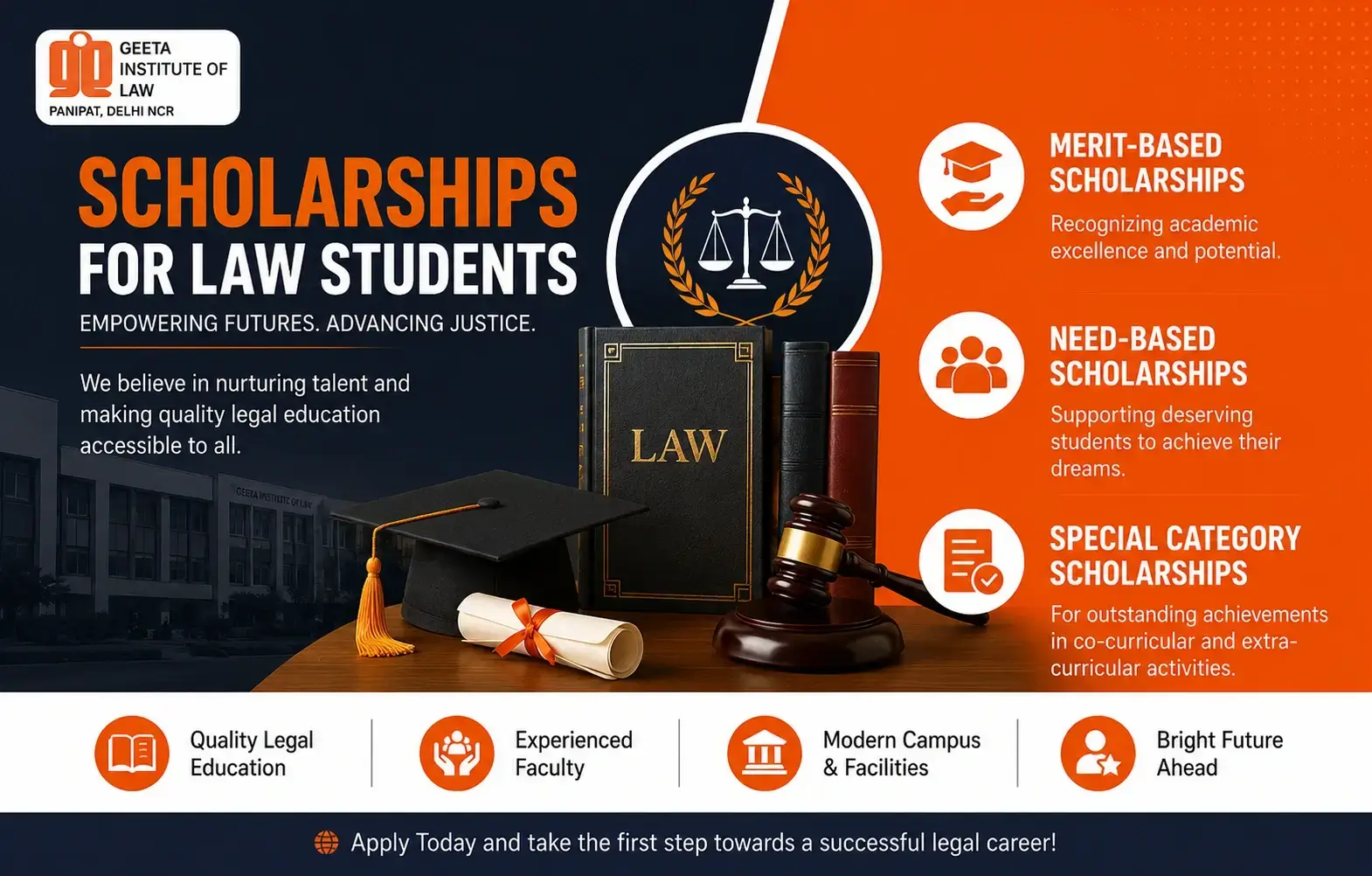
List of Scholarships Available for Law Students in India
To pursue a career in law in India, one needs rigorous academic dedication, but that…
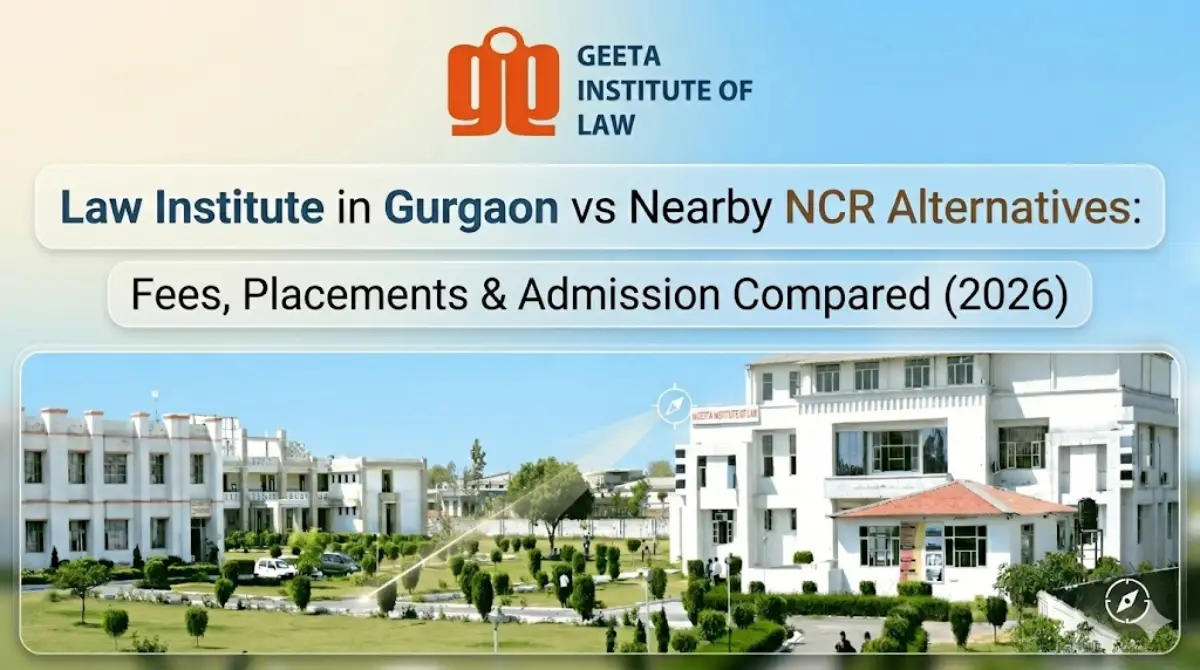
Law Institute in Gurgaon vs Nearby NCR Alternatives: Fees, Placements & Admission Compared (2026)
Searching for a law institute in Gurgaon? You are not alone. Every year, thousands of aspirants…

Is Studying Law from a Private College Worth It: New-Age Legal Career Options
Is Studying Law from a Private College Worth It? Students who want a successful legal…

BA LL.B vs BBA LL.B: Which Law Course Is Right After 12th
After completing class 12th, most students became confused about what was next. They find it…

Corporate Lawyers: Strategic Legal Counselors for Every Business Milestone
The job role of corporate lawyers is to advise businesses on legal rights and obligations…
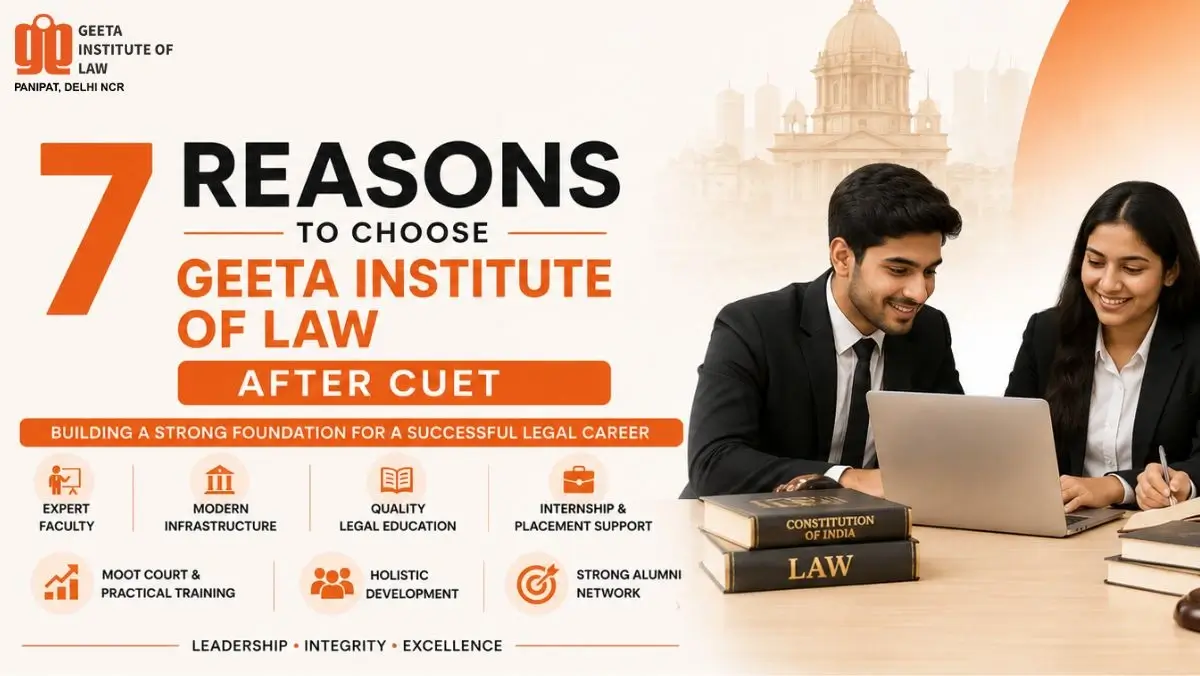
7 Reasons to Choose Geeta Institute of Law After CUET
Choose Geeta Institute of Law after CUET because it is one of the top private…